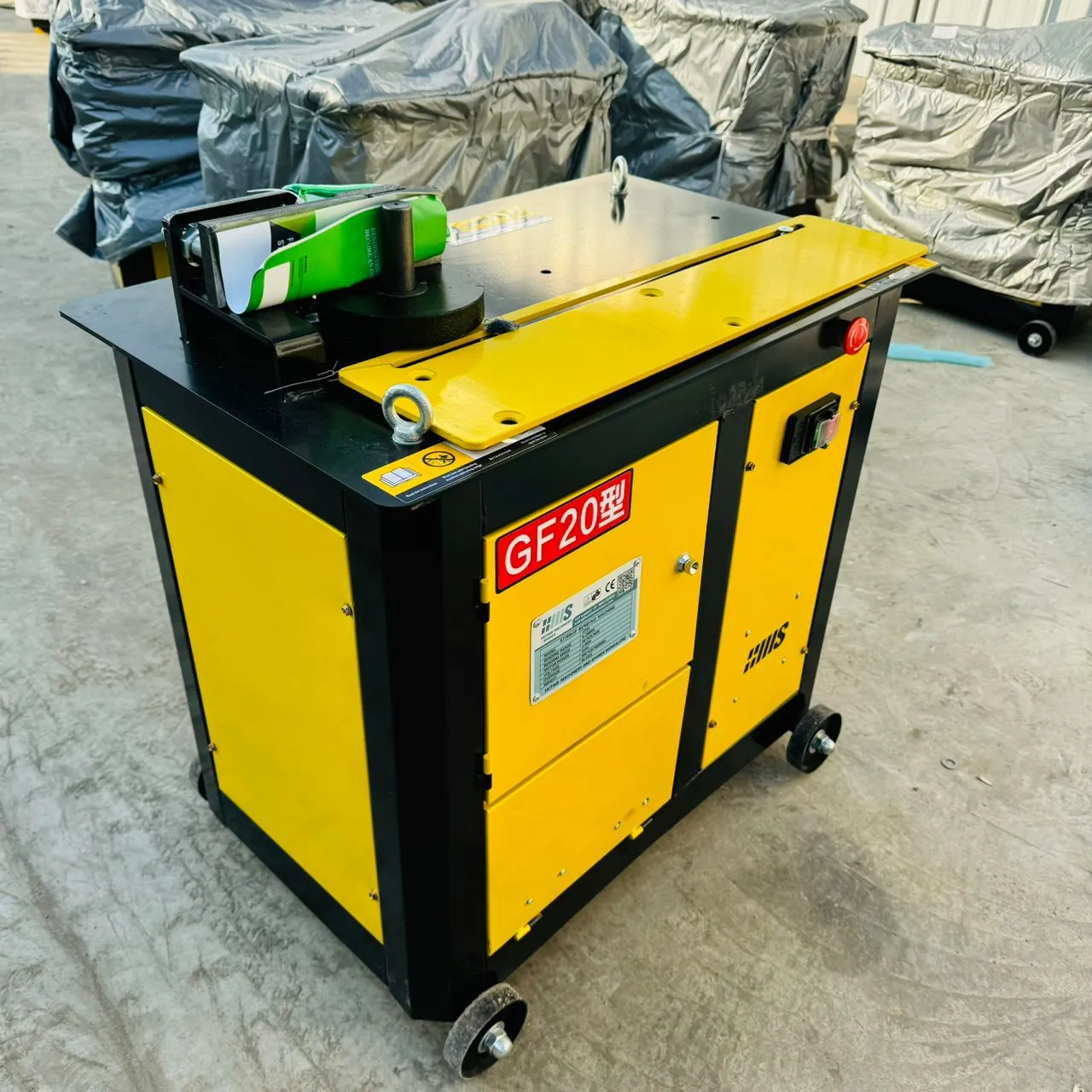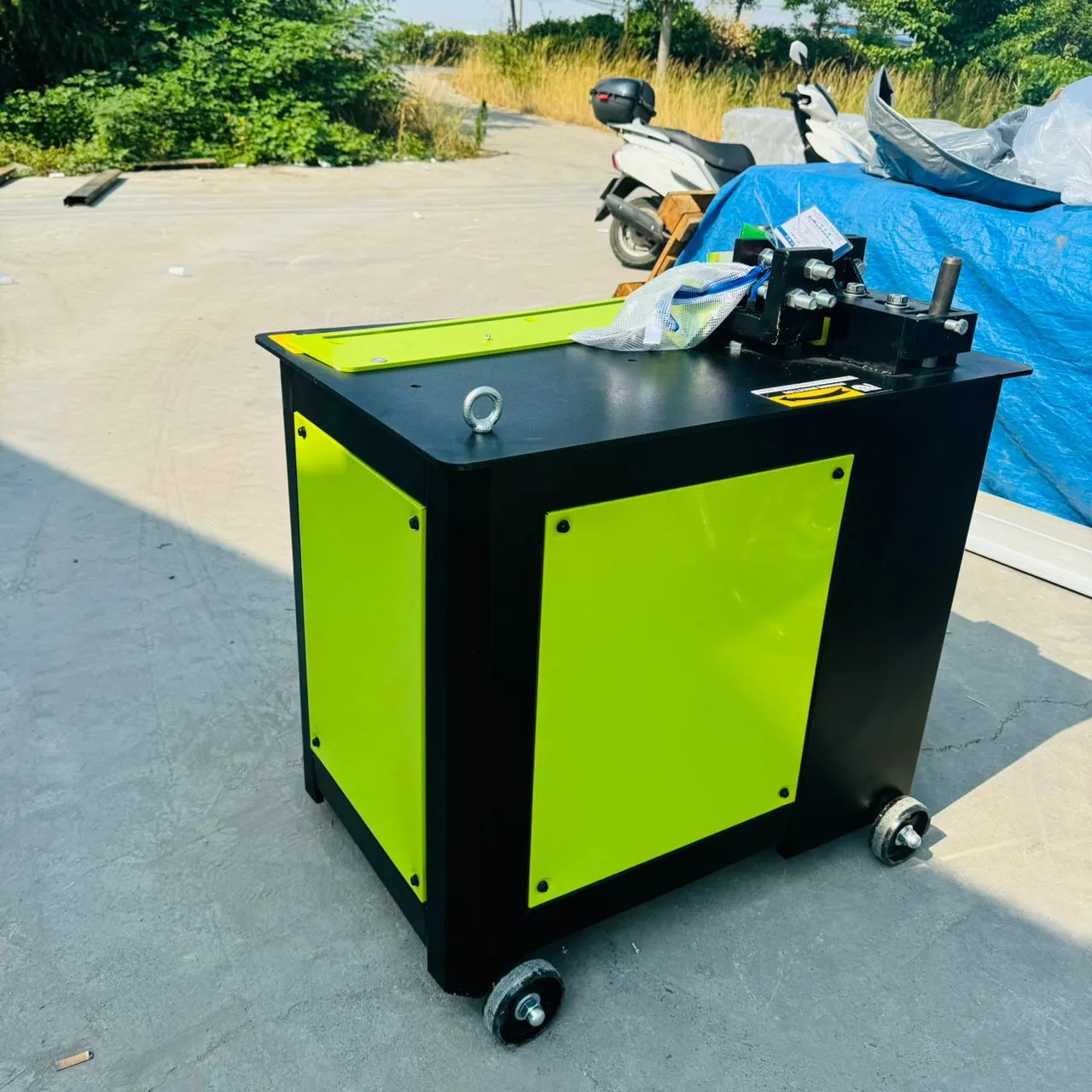
The GF20 and GF25 are the two most popular light bar bending machines we sell at HMS, and both come in single phase and three phase versions. The price gap between the versions is small, about ₹2,000. The real difference shows up on your site: what power connection you have, and how hard you plan to run the machine.
First, check what power your site actually has
A single phase machine runs on a standard 220V supply, the same connection a house or small shop gets. A three phase machine needs a 415V three phase connection, which usually means a sanctioned commercial or temporary construction connection from the electricity board.
This is where most buying decisions get settled. On individual residential plots in Bengaluru and across most towns in South India, the available supply is often single phase only, and getting three phase sanctioned for a short project can take time and paperwork. If your site has only 220V, the decision is made for you: buy the single phase version. A three phase machine simply will not run on it.
Apartment projects, commercial buildings and industrial sites usually have three phase power from day one. There, the three phase version is the better machine, for the output reasons covered below.
The four machines at a glance
| Machine | Capacity | Power supply | Motor | Speed | Starting price |
|---|---|---|---|---|---|
| GF20 Single Phase | 8-16mm | 220V single phase | 1.5 kW (2 HP) | 20 to 25 bends/min | ₹33,000 + GST |
| GF20 Three Phase | 8-16mm | 415V three phase | 2.2 kW (3 HP) | 28 to 32 bends/min | ₹35,000 + GST |
| GF25 Single Phase | 8-20mm | 220V single phase | 2.2 kW (3 HP) | 18 to 22 bends/min | ₹38,000 + GST |
| GF25 Three Phase | 8-20mm | 415V three phase | 3.0 kW (4 HP) | 25 to 30 bends/min | ₹40,000 + GST |
Prices are starting figures. Contact HMS for the current price on any of these models.
Cost difference: smaller than most people expect
On the GF20 the gap is ₹2,000. On the GF25 it is ₹2,000. Spread over the working life of the machine, that is negligible. So do not let the sticker price decide this. Decide on power availability first, then on workload. For a fuller breakdown of what bar benders cost across all sizes, see our bar bending machine price guide.
Output: three phase is quicker and built for longer runs
Compare the numbers in the table. The three phase GF20 does 28 to 32 bends a minute against 20 to 25 on the single phase version. The three phase GF25 does 25 to 30 against 18 to 22. On a site bending a few hundred stirrups a day, that difference adds up to real time saved.
The three phase versions also carry bigger motors and are rated for continuous industrial duty. A single phase motor working near the top of its capacity range, say 16mm bar on the GF20 or 20mm on the GF25, is working hard. It will do the job, but on long continuous runs it is sensible to give the machine breaks and keep the supply cable short and properly sized, because voltage drop makes single phase motors run hot.
How to decide
- Site has only 220V: single phase, no debate. The GF25 single phase is a useful machine here because it takes bars up to 20mm on a domestic connection.
- Mostly 8-12mm stirrup work in moderate quantities: the GF20 single phase does the job at the lowest cost, starting around ₹33,000.
- Full day bending with three phase available: take the three phase version every time. The extra ₹2,000 buys speed and a motor built for continuous duty.
- Bars above 20mm: none of these four is the right machine. Look at the GW42 (16-32mm), starting around ₹75,000, in our bar bending range.
Related reading
New to bar benders in general? Start with how to choose a bar bending machine. And once you buy, our maintenance guide covers the daily and weekly checks that keep these machines running for years. For anything specific to your site, call HMS in Bengaluru. We have been supplying and servicing these machines across South India since 1999.