Buying the right bar bending machine is mostly about being honest with yourself on four points: your largest bar, your power supply, your daily volume and your budget. Get those clear and the choice almost makes itself. This guide walks through each one the way we talk it through with contractors at HMS. For the full model range, see our bar and rebar bending machines category.
What is the largest bar I bend?
Write down the heaviest bar you bend regularly, not the average. If you bend mostly 12mm stirrups but you also bend 25mm column mains every few weeks, your machine has to handle 25mm. A machine pushed to its limit every day wears faster, so pick one with a little headroom above your top size. Bar size is the first filter and it removes half the options straight away.
Do I have single phase or three phase power?
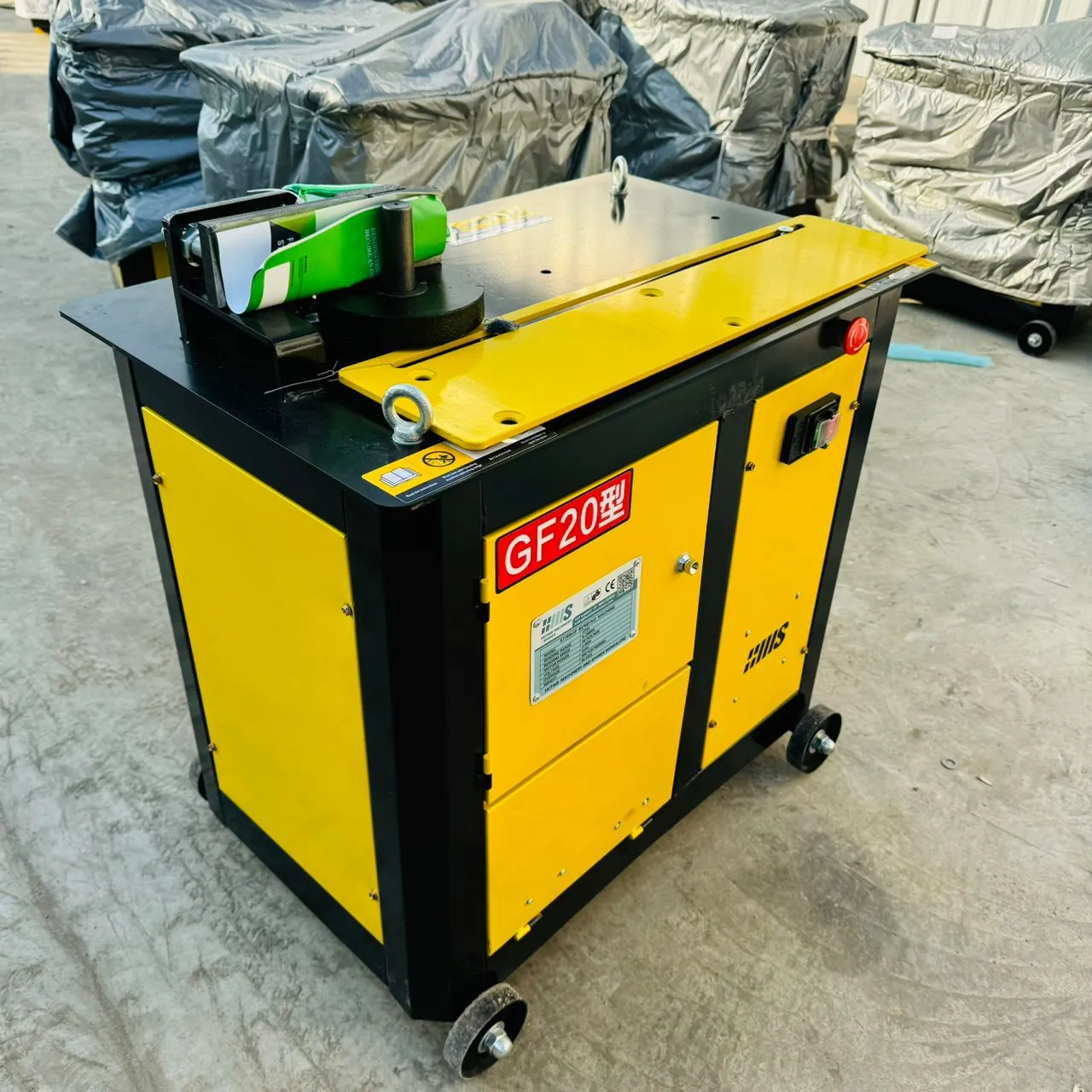
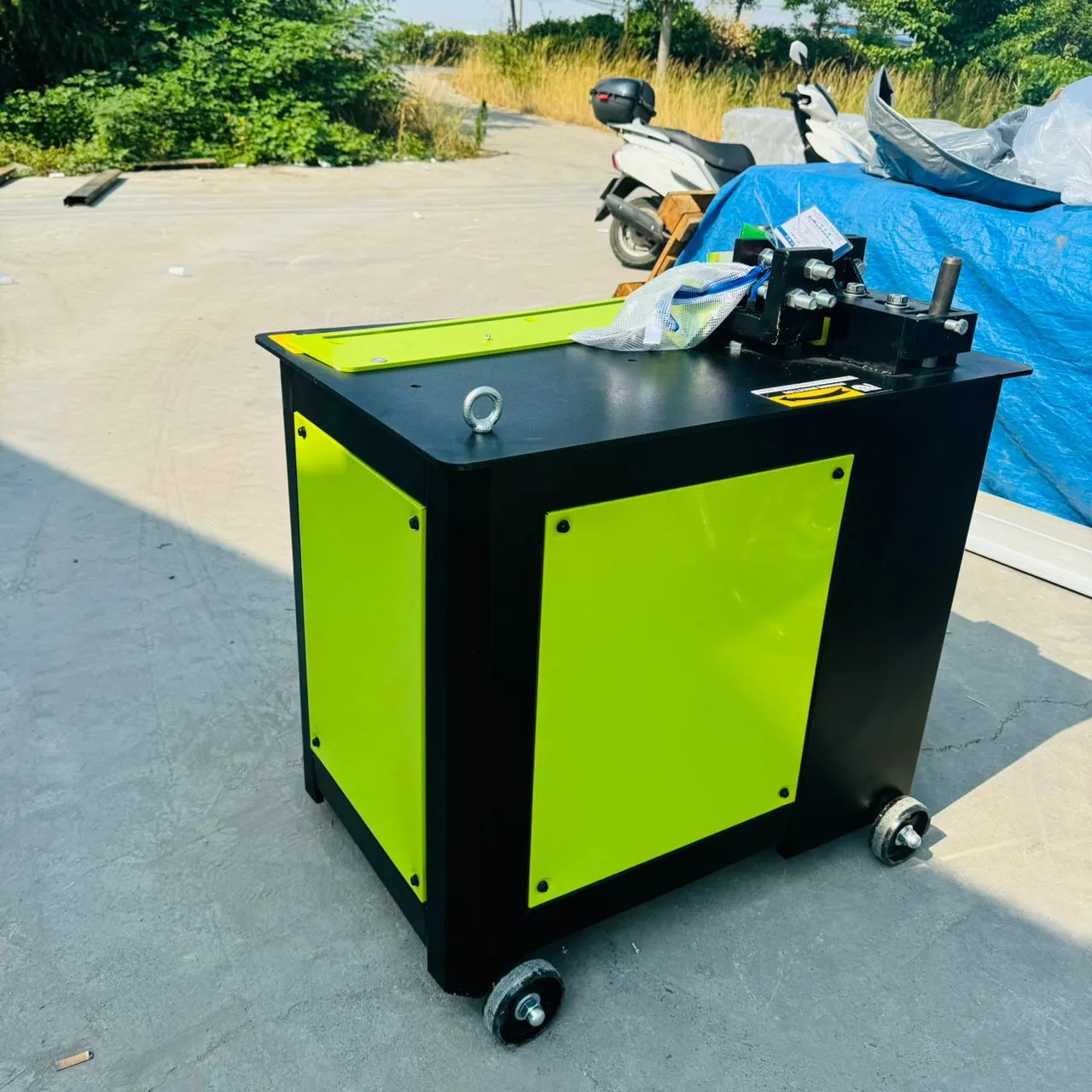
This decides single phase versus three phase. Many residential sites and small workshops only have single phase, and a three phase machine simply will not run there. The GF20 Single Phase handles 8 to 16mm on single phase power, which suits a lot of house construction. If you have three phase supply and bend daily, a three phase machine runs cooler and copes better with continuous load.
Which machine matches my bar size and power?
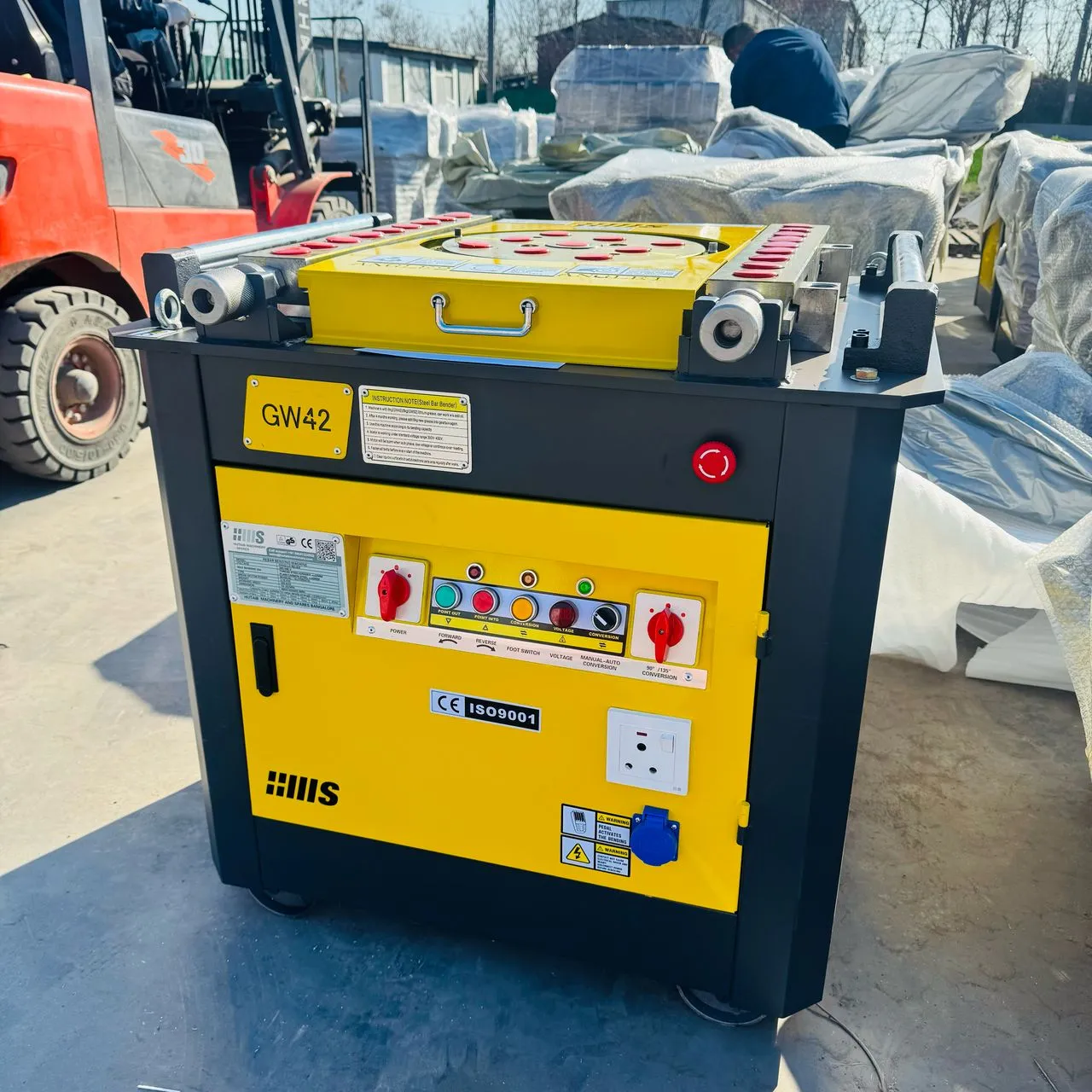
Now line up bar size and supply against the range. For general RCC work up to 20mm, the GF25 Three Phase is a steady all rounder for stirrups, cranks and lighter mains. When your work moves into columns and heavier infrastructure, the GW42 takes 16 to 32mm and is built for that load. The table below is a quick reference.
| If your top bar is | Look at |
|---|---|
| Up to 16mm, single phase | GF20 Single Phase |
| Up to 20mm, three phase | GF25 Three Phase |
| Up to 32mm, columns | GW42 |
Step 4: Weigh daily volume
A machine that suits a small builder is not the one for a high volume bar yard. If you turn out thousands of stirrups a week, look hard at build quality and consider whether automation pays off. For that decision, read manual vs automatic bar bending machine. Heavy daily output also means you want strong gearbox and motor parts, and reliable spare support, so a small saving on a light machine can cost you in downtime later.
How fast can I get spares and service?
The cheapest machine is not the cheapest to own if it sits idle waiting for a part. Ask where the spares come from and how fast. HMS stocks parts and supports machines across South India, which is why heavier built options carry a service network behind them. A machine you can keep running is worth more than a few thousand rupees saved upfront. Ask one more thing before you buy: how the machine is built. A heavier frame, a sealed gearbox and a good motor cost a little extra but they take the daily knocks of a bending yard. Light machines flex and stall under heavy bar, and that flex shows up as bad angles. If your work leans heavy, the sturdier GW42 or GW52 class is worth the step up.
Step 6: Set your budget last
Decide budget after the first five steps, not before, so price does not push you into the wrong capacity. Once you know your model, check our bar bending machine price guide for a sense of the range. Prices move with the market, so call HMS for the current figure. With your bar size, power supply and volume settled, you can buy once and buy right.